Guide to Locating the Appropriate General Contractor for Your Next Home Project
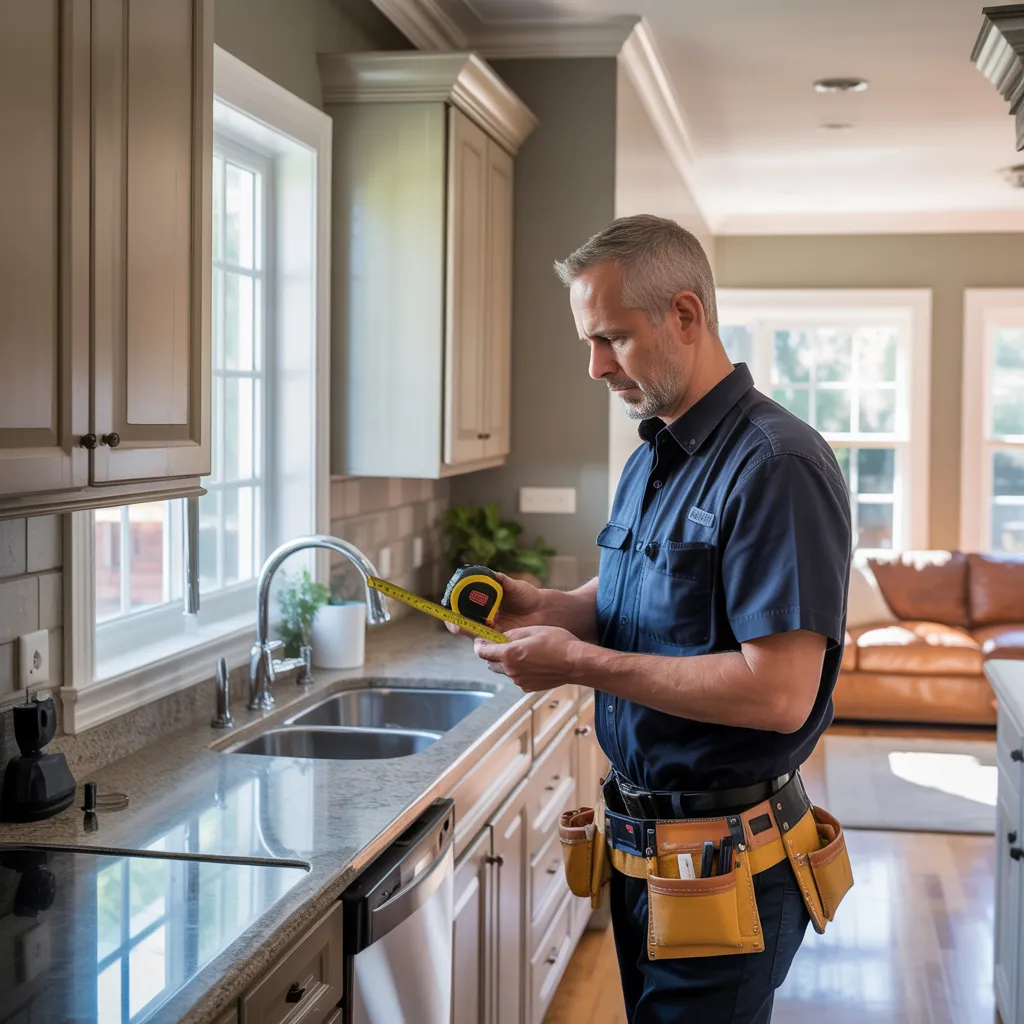
Determining the best construction partner for a home project is an important decision. This necessitates thorough analysis of various factors, incorporating experience, certifications, and communication abilities. Many property owners disregard crucial points, resulting in expensive errors. Understanding how to appraise candidate contractors can make considerable difference. By emphasizing essential criteria and posing appropriate questions, you can progress through this complicated undertaking more successfully. What are the key steps to confirm a rewarding partnership?
How to Prevent Regular Issues When Hiring a Construction Professional
When selecting a professional, how can one cope with the vast number of possibilities without triggering frequent pitfalls? Prospective clients often miss key considerations that can lead to unsatisfactory outcomes. First, relying solely on price can be confusing; the cheapest offer may reflect inferior craftsmanship or unexpected fees. Additionally, ignoring testimonials or internet reviews can lead to employing an untrustworthy contractor. It is also essential to avoid choosing merely because of charm; a personable contractor may not demonstrate competence or trustworthiness. Moreover, failing to establish clear communication and expectations can result in conflicts and unhappiness. Finally, failing to examine contracts closely before approval can cause unforeseen responsibilities or insufficient safeguards. By being vigilant and informed, homeowners can make wiser selections, eventually ensuring a positive result.
What to Look For in a Contractor's Experience
When evaluating a contractor experience, several key factors factor in. Relevant project experience, professional certifications, and an comprehensive collection of finished projects act as key measures of their abilities. Assessing these elements can provide valuable insights into the contractor fit for the specific project at hand.
Applicable Project Background
Recognizing a contractor's relevant experience is vital for ensuring the triumph of any building endeavor. Prospective clients should evaluate the contractor's body of work, focusing on finished projects matching in proportions and design to their own. This means examining the standard of craftsmanship, respect to schedules, and expense management in former ventures. Additionally, it is helpful to question about the types of supplies employed and the contractor's familiarity with local regulations and regulations. Client feedback and citations from past clients can provide understanding into the contractor's dependence and communication skills. In conclusion, a contractor with substantial relevant experience can handle issues effectively, ensuring the project meets the homeowner's preferences and criteria.
Professional Qualifications And Licenses
Certification and licensing serve as essential indicators of a contractor's professional competence and skill in the construction industry. When selecting a general contractor, it is vital to verify that they have the required permits mandated by local and state regulations. These licenses demonstrate compliance with building codes and safety standards. Additionally, industry certifications, such as those from the National Association of Home Builders or similar organizations, indicate a contractor's dedication to quality and ongoing education. Contractors with specialized certifications may also have skills in specific areas, such as green building or remodeling. Ensuring that a contractor has the appropriate credentials not just improves confidence in their capabilities but also reduces potential legal and financial risks during the project.
Portfolio Of Completed Work
A tradesperson's portfolio featuring accomplished projects acts as a essential resource for gauging their expertise and skills. This compilation needs to showcase a diversity of projects that demonstrate adaptability in different styles and levels of difficulty. When analyzing a portfolio, potential clients should check for high-quality images that distinctly depict the skill involved. It is also beneficial to see projects that correspond to the homeowner's particular requirements or style choices. Attention to detail, creative solutions, and sticking to timelines are vital signs of a contractor’s expertise. Additionally, client reviews or case studies featured in the portfolio can offer more understanding of the contractor's work ethic and dependability. Ultimately, a strong portfolio can assist homeowners in making educated choices about their future projects.
How to verify Your Contractor Credentials and Permits
Verifying a general contractor's credentials and licenses is essential before engaging them to validate they satisfy industry standards. Commence by reviewing with state licensing agencies that the contractor holds the required permits applicable to your area and project type. Since each state enforces distinct requirements, knowing these can prevent future problems.
Additionally, seek information regarding insurance coverage, encompassing liability and workers' compensation, to ensure protection against unforeseen accidents or damages. Ask for references from previous clients and verify to evaluate satisfaction and trustworthiness.
At the end, scrutinize any certifications the contractor may have, as these often confirm technical expertise and alignment with industry best practices. A thorough assessment process not only maintains compliance but also strengthens confidence in the contractor's ability to deliver the project successfully.
Why Communication Is Essential in Your Service Provider Partnership
Effective dialogue plays a vital role in the contractor-client relationship, determining the project's success from day one. Open discussion establishes expectations, timelines, and budgets, ensuring both parties maintain alignment on the project's goals. When clients express their vision with clarity, contractors can provide informed suggestions and solutions, enhancing the overall outcome.
Ongoing updates and clear lines of communication permit quick handling of issues as they develop, reducing potential delays. Also, a professional who hears and responds to client feedback strengthens confidence, which is paramount for teamwork.
Additionally, effective interaction aids in addressing alterations and surprise difficulties, keeping the undertaking on schedule. It permits the construction professional to modify strategies based on client input, guaranteeing satisfaction across all phases. In the end, emphasizing dialogue not only reinforces the contractor-client bond but also substantially contributes to the successful completion of the home construction.
Essential Inquiries to Pose Your Builder in First Meetings
In early meetings with a contractor, clients should focus on understanding their expertise and qualifications. It's essential to ask about the project timeline and budget to guarantee alignment with the client's needs. These questions create a foundation for a successful partnership and efficient project management.
Experience and Expertise
Selecting a general contractor depends on understanding their background and qualifications. Homeowners should inquire about the contractor's time of experience and the types of projects they have completed. Specific questions regarding licenses, accreditations, and insurance are crucial, as these guarantee compliance with local regulations and provide security throughout the work. Additionally, reviewing past work through portfolios or recommendations can offer insight into the contractor's craftsmanship and reliability. It is also helpful to ask about their experience with comparable jobs, as this can show their capability to manage particular difficulties. Ultimately, evaluating a contractor's background and credentials fosters confidence and helps homeowners make informed decisions about their home projects.
Project Roadmap and Cost
How can property owners ensure their undertaking stays on track monetarily and temporally when meeting with a construction contractor? To preserve consistency, they should ask important questions during initial meetings. Property owners must ask regarding the estimated timeline for completion of the work and any potential delays that could arise. Comprehending the contractor's method to managing schedules is crucial. Additionally, discussing the finances upfront is important; homeowners should seek clarity on pricing estimates, payment plans, view details and any built-in contingency funds for unforeseen expenses. Inquiring into previous projects can provide insight into the contractor's reliability in meeting deadlines and staying within budget. By establishing clear communication regarding schedules and budgets, property owners can cultivate a collaborative partnership with their builder, improving the probability of a completed project that meets expectations.
What measures should one take to guarantee a general contractor is trustworthy? First, it is important to ask for a list of referrals from potential contractors. A reputable contractor will readily provide names and contact information of previous clients. One should contact these references to inquire about their experiences, emphasizing aspects such as communication, workmanship, and adherence to timelines.
Additionally, reading online reviews on sites like Google, Yelp, or Angie's List can provide valuable insights. It is crucial to look for trends in the reviews—consistent praise or criticism can suggest reliability or potential issues.
In addition, investigating any concerns filed with local licensing agencies or consumer advocacy groups can reveal a contractor's history. Finally, requesting recent project photos can help assess the quality of their work. By taking these actions, one can make a more informed decision when selecting a contractor.
Comprehending External Provider Pricing Strategy and Remittance Terms
Homeowners should also understand standard payment arrangements. Most contractors demand a initial deposit, accompanied by installment payments aligned with project milestones. It's important to discuss these terms before committing to an agreement to avoid confusion. Additionally, homeowners should question possible extra expenses, such as regulatory fees or unexpected repairs. Transparent dialogue regarding fees and payment conditions will establish a straightforward business partnership, ultimately generating a successful completion. Understanding these aspects provides homeowners the ability to decide wisely when hiring a general contractor.
Often Posed Questions
How much duration will it need to conclude the work?
The timeline of the project often fluctuates according to complexity and scope. As a rule, completion may require several weeks to months. Weather conditions, availability of materials, and workforce resources can greatly impact when the work completes.
What Happens if Unforeseen Issues Emerge During Building?
If unforeseen problems arise during construction, the builder typically evaluates the situation, discusses with the property owner, and proposes solutions. Modifications to the schedule and costs may be necessary, guaranteeing openness throughout the project.
Will My Project Call for Permits or Inspections?
Most projects require permits along with inspections to ensure adherence with local building codes. It is essential to work with a general contractor who comprehends these requirements, as they can navigate the permitting process effectively.
What Is Your Approach to Handling Subcontractors and Payment Distribution?
A credible general contractor manages subcontractors by creating clear contracts outlining payment terms. They ensure timely payments, keep transparent dialogue, and monitor subcontractor performance, promoting a cooperative setting that contributes to project success and efficiency.
How Do You Manage Project Changes or Upgrades?
The contractor adopts a flexible approach toward project changes, requiring written documentation for any additions. They provide clear communication, assess financial effects, and recalibrate timelines accordingly to accommodate the client's evolving needs and preferences.